The Hidden Costs of Skipping Fall Cleanups
· 5 min read
Fall color is great on trees and brutal on turf. When leaves and debris sit through winter, they block light and air, trap moisture, and create the perfect habitat for pests and fungus. By spring, the damage is done and the fix is no longer a quick rake. It becomes seed, soil work, and extra visits. Here is what really happens when fall cleanups get skipped and why hiring a crew now costs less than repairs later.
Turf suffocation and slow spring green up
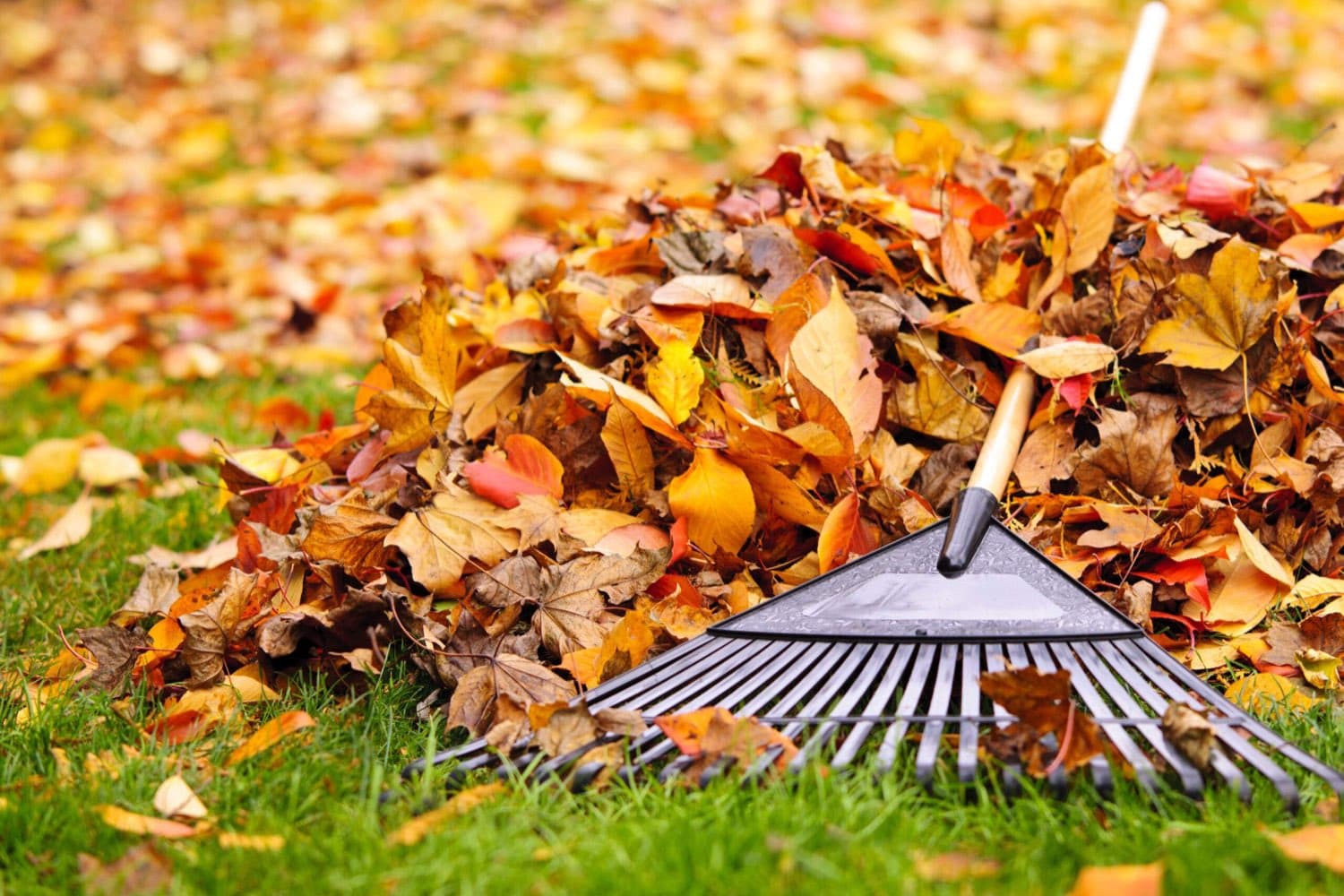
A matted leaf layer acts like a blanket on cool season grasses. It blocks sunlight that turf needs to photosynthesize and it traps humidity at the soil line. Grass crowns weaken, blades yellow, and bare patches form under thicker mats. In spring, these areas warm slower and stay soggy longer, which delays green up across the yard. Repairing suffocation damage usually means raking out dead material, core aeration, and overseeding. A fall cleanup that lifts and removes leaves before snow covers the yard avoids that entire cycle.
Disease pressure rises all winter
Wet, compacted leaves create long leaf wetness periods and reduce airflow. That is the perfect environment for snow mold and other fungi. Once disease colonizes a section, it often returns the next season unless the underlying conditions change. Pros stage fall cleanups so leaves never sit long enough to mat and they finish with a light turf lift so the canopy dries evenly. That simple step cuts disease risk and saves a spring treatment.
Pests and rodents move in
Leaf piles near foundations and fence lines attract rodents and insects looking for dry cover. On the lawn, decomposing leaf layers shelter grubs and other pests that feed quietly through the shoulder seasons. By spring, you may see skunks or birds tearing at the turf for a meal, which adds physical damage on top of the pest problem. Clearing beds and edges in fall removes cover and reduces the chance of winter nesting where you do not want it.
Hidden drainage issues get worse
When leaves block grates and settle in low spots, water sits where it should not. Standing water saturates soil, suffocates roots, and can freeze into sheets that shear turf. Regrading or topdressing in spring fixes the symptoms, but a fall cleanup that opens drains and clears swales prevents most of the damage. A pro will also spot areas where a minor grade tweak or a raised mower height can improve water movement before winter.
Bed edges collapse and mulch rots
Beds that do not get cleared and redefined in fall tend to lose their lines. Leaves and needles fill the edge, wind pushes mulch over the boundary, and winter heave compromises what is left. In spring, you are not just refreshing mulch. You are recutting edges from scratch and replacing material that rotted under leaf mats. A fall edge pass and selective leaf removal keeps the structure intact so spring work is faster and cheaper.
The spring recovery bill adds up fast
Skipping fall cleanup feels like a savings until you add the spring to do list. Expect dethatching or aggressive raking, aeration, overseeding, starter fertilizer, extra watering, and at least one follow up visit to fill thin areas. If disease spread under the leaf layer, add a treatment or two. If rodents nested along the foundation, add pest control and damage repair. A single well timed fall cleanup visit is almost always the lower number.
Why professional crews finish in hours, not weekends
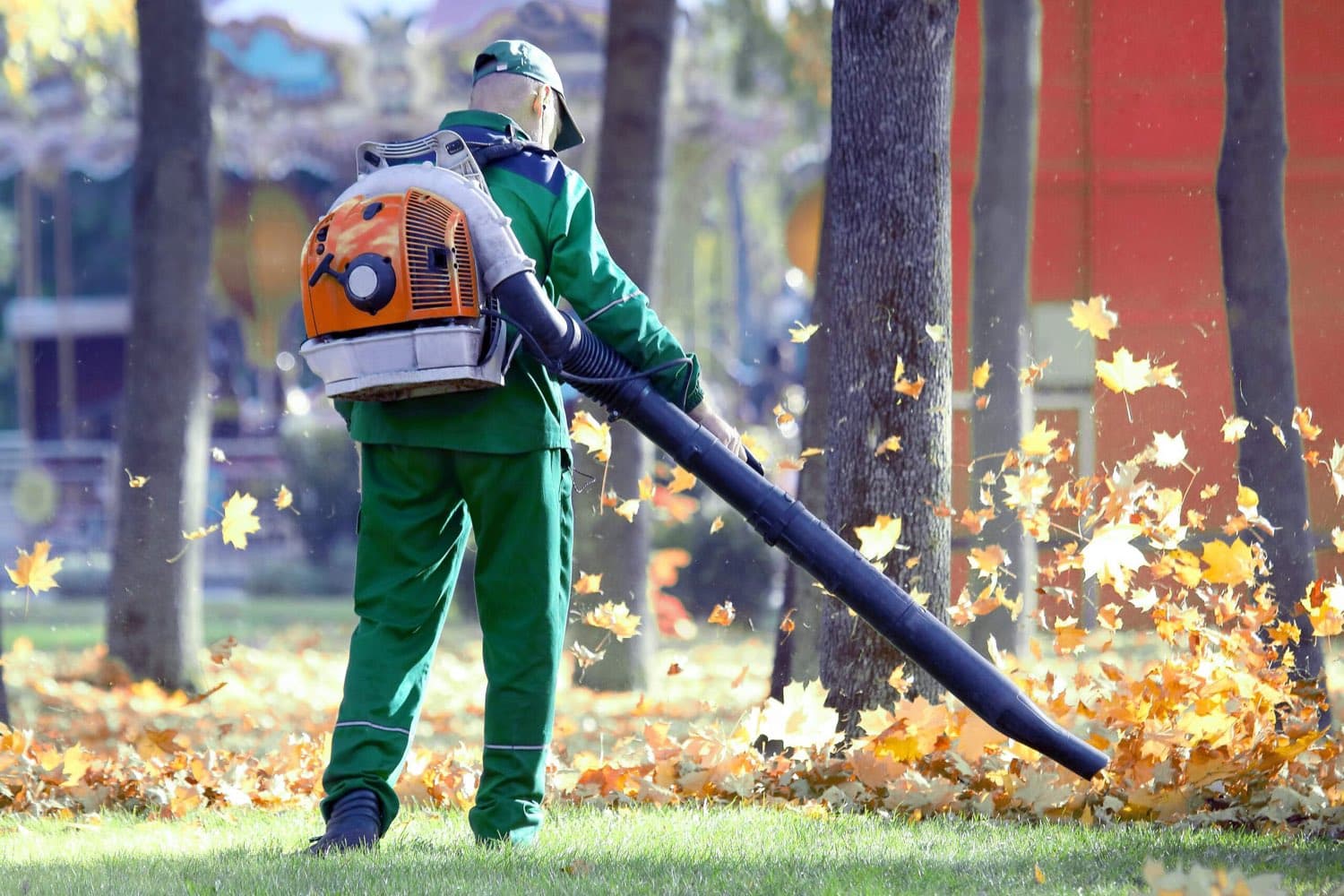
A trained team shows up with backpack blowers, vacuums, and low ground pressure carts. They move leaves over turf without grinding them into the grass, stage piles on hard surfaces instead of on the lawn, and vacuum rather than drag heavy bags across soft soil. Edges get cleared first with low airflow passes to protect bed lines, and delicate areas are finished by hand. The result is a clean property without ruts or scuffs, and a lawn that can breathe going into winter.
What a pro fall cleanup includes
A professional visit focuses on health first, then polish. Crews walk the property, mark soft spots and irrigation heads, and check drains. They clear turf, beds, and hardscapes in a set pattern that keeps equipment off saturated zones. Piles are lifted quickly to avoid dents in the lawn. Beds are hand finished so mulch stays put. Hardscapes are swept clean and the lawn gets a light groom so the canopy stands up and dries. If you recently overseeded, airflow and collection are adjusted to protect young seedlings.
Timing that protects the lawn
The best time to clean is not the last leaf day. Staged visits during peak drop keep leaves from matting. Aim for two or three passes as different species shed. Try to schedule a visit before a soaking rain or a hard frost so soils are firm and leaves are lighter to move. If a storm hit and everything is wet, a pro crew will reduce blower angle, use more vacuum, and skip heavy equipment in soft areas to prevent ruts.
Signs you are already late
If the lawn feels spongy, if you see gray or white fuzz on leaf mats, or if footprints linger because blades will not spring back, you need help now. Piles that smell musty or areas that stay damp in shade are also warning flags. The sooner leaves are removed and the canopy is lifted, the less recovery work you will face in spring.
Wrap up
Fall cleanups are not cosmetic. They are a health service for your lawn and beds. Leaving leaves and debris in place suffocates turf, invites fungus, shelters pests, and sets you up for bigger bills in spring. A professional cleanup breaks that cycle. With the right equipment and a careful workflow, a crew can clear turf and beds in hours, not weekends, and leave the canopy open so grass heads into winter strong.
If you want to lower your spring costs and keep your property looking cared for through the off season, book a fall cleanup now. We plan staged visits around your trees, protect edges and turf, handle disposal, and leave everything clean the same day. Request a quick quote and put your lawn on the front foot for spring.
We do this work every week across Cape Cod. Call us at 774-470-0977 or request a free estimate.