Pruning For Health and Bloom
· 5 min read
Pruning is not just about making shrubs smaller. Done well, it guides growth, improves airflow, reduces disease risk, and sets the stage for showy blooms. The secret is timing and technique. Cut at the wrong moment and you can remove flower buds or shock the plant. Cut correctly and you get stronger structure, balanced energy, and a consistent flush of flowers year after year.
Why timing matters more than most people think
Every shrub carries its flower buds on either old wood or new wood. Spring bloomers such as lilac and forsythia set buds shortly after they flower, which means heavy pruning in late winter or early spring can erase the season’s color. These plants want shaping right after bloom so they have the rest of the season to form next year’s buds. Many summer bloomers flower on new wood and prefer a late winter or very early spring haircut that stimulates fresh growth. Knowing which camp each shrub belongs to is the difference between a plant that bursts with color and a plant that stays green and quiet.
Cuts that help plants respond with strength
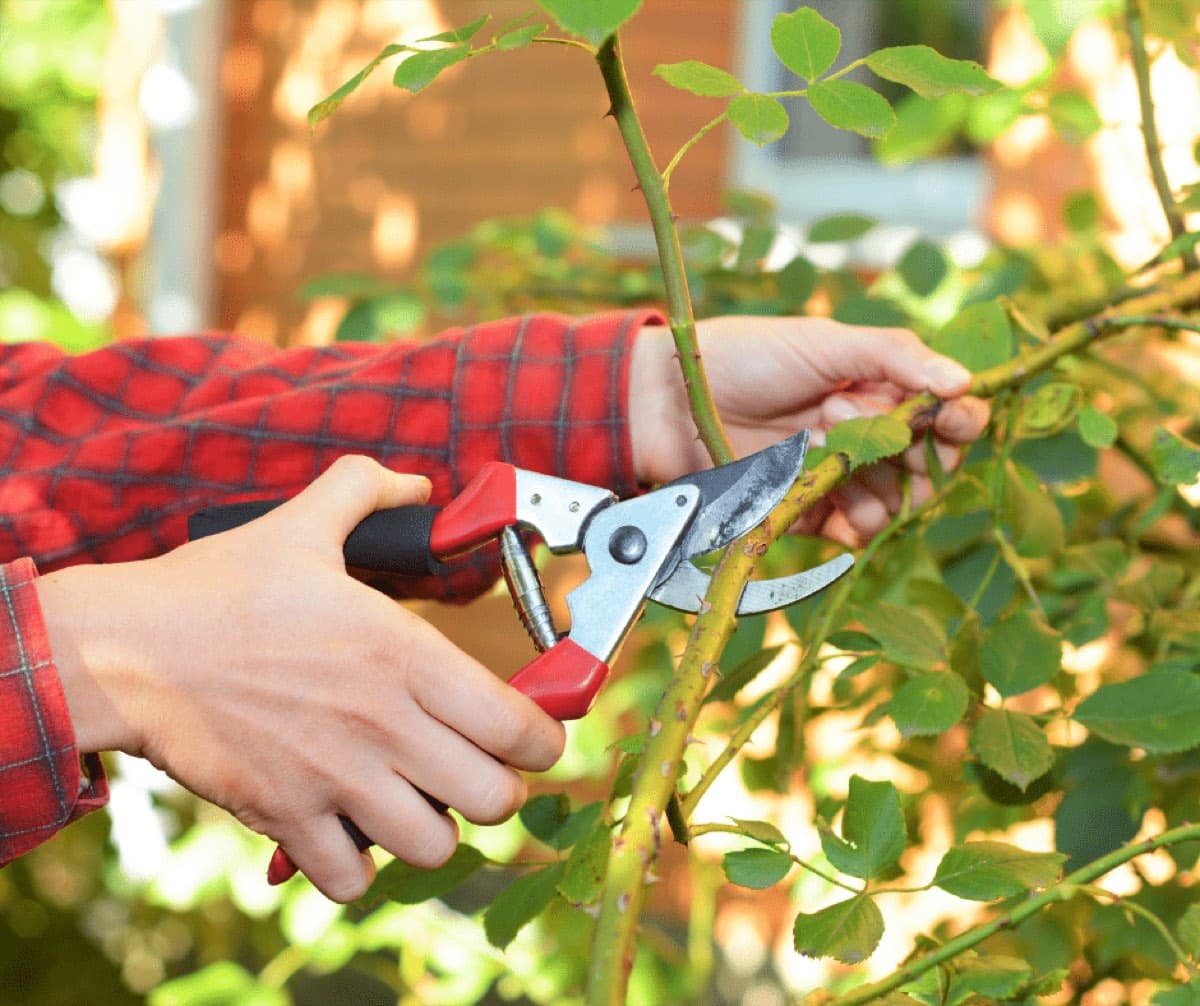
Clean cuts heal quickly and direct energy where it matters. Professionals remove dead, damaged, and crossing wood first to open the canopy and stop branches from rubbing. Heading cuts shorten a stem to a healthy outward facing bud and are used sparingly to refine shape. Thinning cuts remove a branch all the way back to its origin and preserve the plant’s natural habit while improving light and airflow. The angle and placement of each cut matters. Cuts are made just above a bud without leaving long stubs that die back, and without cutting so close that live tissue is damaged.
Shape for light, not just for a clean outline
A shrub that is pruned only by shearing the outer shell looks tidy for a few weeks and then starts to shade itself. Light never reaches the interior and the plant becomes hollow with leaves only on the tips. Pros combine selective thinning with light shaping so sunlight reaches the center and new shoots develop throughout the plant. This keeps the structure dense from top to bottom and helps flowers present across the entire shrub rather than only at the edges.
Stress reduction starts with the right plan
Pruning is stress the plant must recover from. That stress is minimized by working at the correct time for the species, avoiding large reductions in a single visit, and never removing more than about a third of live growth at once. Very overgrown shrubs often need a two stage reset across seasons so the plant can respond and rebuild without shock. Fresh mulch at the correct depth and consistent watering after pruning support recovery, while fertilizer is used thoughtfully based on species and soil, not by default.
Tools and sanitation make a bigger difference than you think
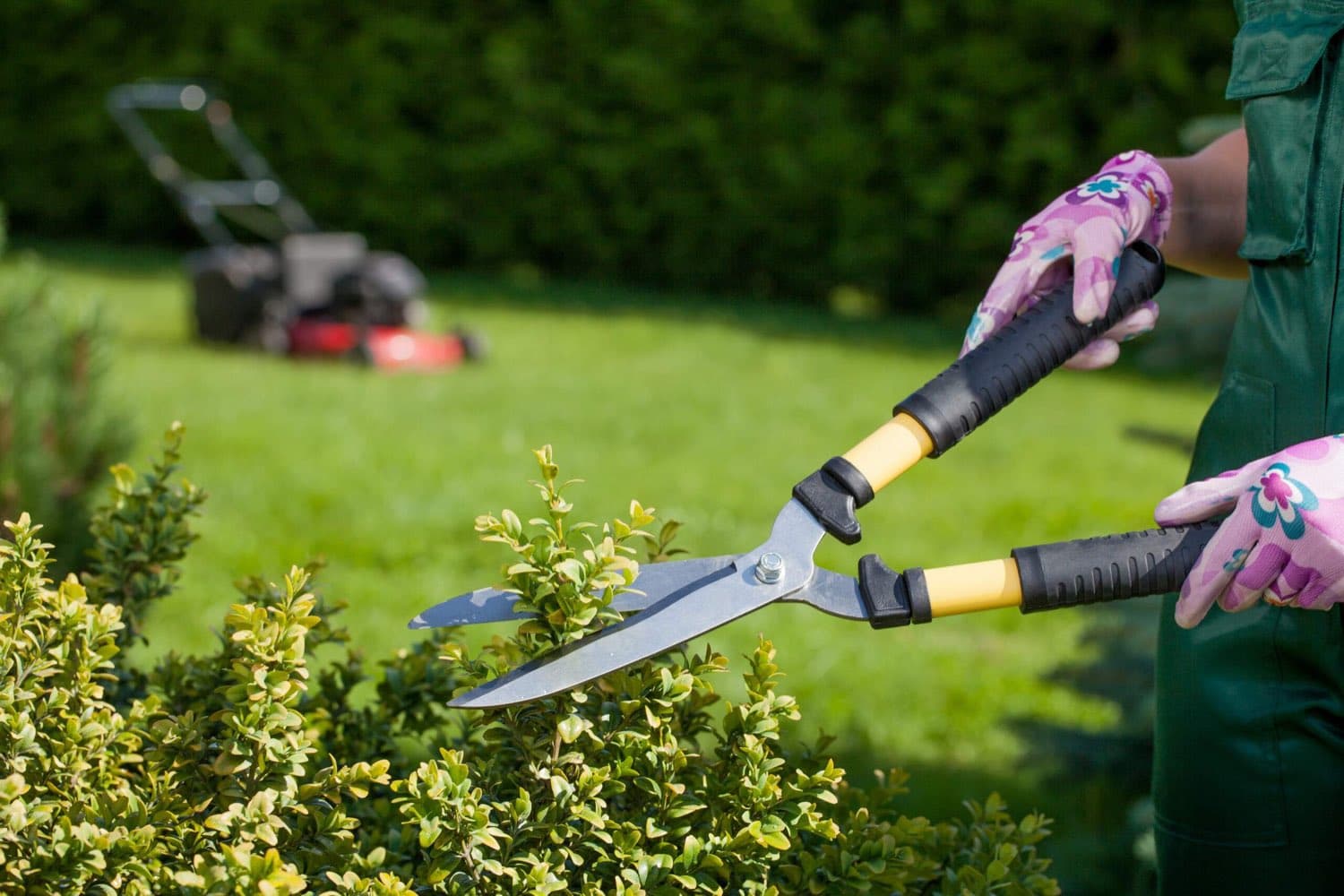
Sharp, size matched tools create clean cuts that seal quickly. Hand pruners handle small stems, loppers take medium wood, and a fine toothed saw finishes larger limbs. Between plants, blades are wiped to reduce the chance of carrying disease from one shrub to the next. Power shears are used as a finishing tool on formal hedges rather than as the only method, so plants keep a natural, healthy structure under the surface.
Common pruning mistakes and how to avoid them
Most problems come from cutting at the wrong time, shearing only the outer shell, and leaving stubs that die back and invite pests. Another frequent mistake is flattening the top while leaving the sides vertical. That shape shades the lower growth and leads to bare legs near the ground. Cutting too hard in late summer can also trigger soft new growth that fails before winter. Each of these issues is preventable with the right calendar and a light, thoughtful hand.
Scheduling on the Mid Cape
A pruning calendar built around your plant list produces the best results. Early spring is ideal for many summer bloomers that flower on new wood, along with structural corrections before growth begins. Late spring and early summer are perfect for post bloom shaping of old wood spring shrubs. Late summer is reserved for light touch ups only, with heavier work deferred so plants are not pushed into tender growth before cold arrives. Evergreen hedges and foundation shrubs are typically shaped once after first flush and then lightly again late in the season for crisp lines.
How a professional visit works from start to finish
A tech walks the property to identify each species, its bloom habit, and any structural issues such as crossing branches or winter damage. The crew starts with dead, diseased, and damaged wood so the plant can focus energy on healthy tissue. Next comes selective thinning to open the canopy and guide the future shape, followed by measured heading cuts to refine the outline. Tall or awkward areas are handled from stable footing with the correct reach so cuts stay accurate and beds are not trampled. The visit ends with a tidy cleanup, a quick check of mulch depth that keeps crowns dry, and simple care notes that help the plant rebound.
When to call sooner rather than later
If a shrub is missing flowers in a season when it should be blooming, if you see repeated dieback at the tips, or if branches rub and split in the wind, a professional evaluation will save time and protect the plant’s long term shape. Early attention is almost always cheaper than replacing a mature shrub.
Pruning for health and bloom is a calendar driven craft. When you match the timing to each plant and make clean, thoughtful cuts, shrubs respond with fuller structure, better airflow, and reliable color. The payoff is a landscape that looks polished now and performs better each season. If you want strong blooms without the guesswork, bring in a professional crew to set the schedule, shape with the right techniques, and leave the beds clean the same day. Request a quick quote and let your shrubs grow into their best form rather than fighting against it.
FAQs
Will heavy pruning make my shrubs smaller for good?
Size control is a process. With the right timing and a staged plan, shrubs can be brought back to proportion and then maintained with lighter touch ups that hold the line.
Can you prune during nesting season?
We check for active nests before work. If a nest is present, we adjust the plan or schedule to protect wildlife.
Do flowering shrubs always need shearing?
No. Many bloomers look and perform better with selective thinning and light shaping. Shearing is reserved for formal hedges or as a finishing step.
Why did my lilac not bloom this year?
Lilacs set next year’s flower buds shortly after they bloom. If a lilac was cut back in late winter or early spring, those buds were removed with the branches. Shape lilacs right after they finish flowering so they have the rest of the season to form new buds.
Do you clean up the clippings?
Yes. Every visit ends with a tidy cleanup, and the beds are left clean the same day.
We do this work every week across Cape Cod. Call us at 774-470-0977 or request a free estimate.