Professional Mulching That Looks Good and Lasts
· 4 min read
Mulch does more than make beds look tidy. It blocks light to weed seeds, stabilizes soil temperature, and holds moisture where roots can use it. The catch is depth and placement. Too much mulch smothers roots and rots bark. Too little fails to control weeds. Professional crews hit the right depth, protect trunks, and leave crisp edges that hold through the season.
Why correct mulching matters
- Weed suppression with fewer chemical interventions
- Moisture retention that supports roots through dry, windy spells
- Soil temperature moderation for healthier perennials and shrubs
- Instant curb appeal from consistent texture and clean lines
What professionals do differently
Recut edges before any mulch goes down
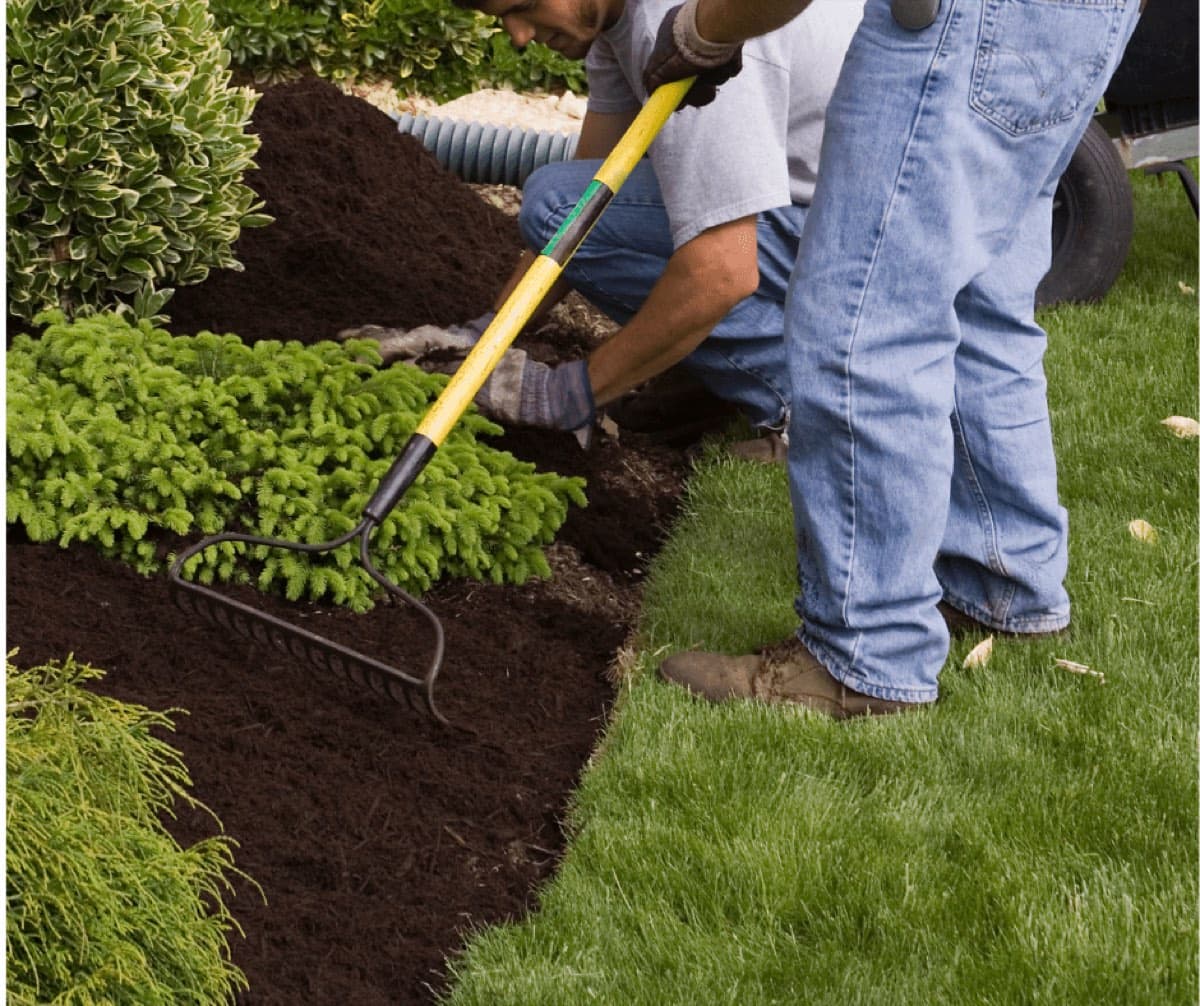
A machine cut or spade cut edge creates a vertical lip that contains mulch, keeps turf from creeping in, and reduces washouts after storms.
Set the correct total depth
Most beds finish at 2 to 3 inches total, including what is already there. Pros measure existing mulch, remove excess if needed, then top to the right depth so beds work as intended.
Keep mulch off trunks and crowns
No volcano piles. Crews leave a mulch-free collar around tree trunks and shrub bases. This prevents bark rot, insects at the base, and girdling roots.
Match material to site conditions
- Shredded hardwood binds well on gentle slopes
- Bark nuggets resist compaction and are easy to rake clean
- Fine textured mulch around tender perennials for easier hand work
- Local blends where wind exposure is high
Smooth, even finish
Mulch is feathered under shrubs rather than heaped. High spots and thin spots invite weeds and look uneven within days.
Common DIY mistakes that shorten mulch life
- Piling against trunks and stems which traps moisture and invites rot
- Adding a fresh 3 inches every spring without measuring what is already in the bed
- Skipping the edge cut, which leads to constant spillover onto turf and walkways
- Using the same material everywhere regardless of slope, wind, and plant mix
- Spreading on top of wet leaf mats, which creates sour layers and odor
When to refresh on the Mid-Cape
- Spring after cleanups and pruning so crowns are visible
- After big storms to top up windblown areas and reset edges
- Late fall spot touch ups in exposed beds to buffer roots for winter
Our professional mulching workflow
- Walk the beds and mark plant crowns, irrigation lines, and low electrical
- Recut or sharpen edges for a clean containment line
- Remove excess or decomposed mulch to reach the correct total depth
- Install mulch while keeping a clear collar around trunks and crowns
- Smooth and level for an even surface, then sweep hardscapes and reset lines
Quick wins you will notice right away
- Beds look finished and stay tidy longer
- Fewer weeds breaking through in early summer
- Healthier shrubs with dry, protected bark at the base
- A stronger frame around walks, entries, and foundation plantings
Why hiring a crew saves money overall
Hiring a professional crew saves money across the season because every step is measured and efficient. There is no waste from overbuying material since pros calculate coverage by bed square footage and existing depth before a single yard is ordered. You avoid costly rework from slumped edges and washed out piles because crews recut edges, place mulch at the correct depth, and compact lightly so it stays put after storms. With proper depth and clean collars around trunks, beds have fewer weeds breaking through, which means fewer emergency callouts and less time spent hand pulling. You also get trained eyes on site who catch drainage problems, pest activity, and pruning needs early, often recommending small fixes that prevent larger repairs later. The result is a cleaner finish up front and fewer surprises on your invoice all year.
Great looking mulch is really a plant health strategy. The right depth blocks light to weed seeds, balances soil temperature, and holds moisture where roots can use it. Just as important, keeping mulch off trunks and crowns prevents rot and insect harborage so shrubs stay full and healthy. Clean, recut edges give mulch a place to sit, which keeps lines sharp and reduces spillover after rain.
A professional installation ties all of this together in a single efficient visit. We measure what is in the bed, remove excess where needed, recut edges, match materials to wind and slope, and finish with a smooth, even surface that stays put. The result is fewer weeds to chase, stronger plants, and beds that frame your home with a consistent, polished look for months.
If your beds are uneven, weedy, or piled against trunks, it is the perfect time for a reset. Book a professional mulch refresh and edging service. We will restore bed structure, protect your plants, and deliver a clean finish that lasts well beyond spring.
FAQs
How often should I add mulch?
Usually a light top off each spring is enough. The goal is the correct total depth, not a brand new blanket every year.
Is dyed mulch safe for plants and pets?
Quality products from reputable suppliers are fine. We prioritize particle size, site exposure, and plant health first, then color.
Will mulch attract termites or other pests?
Mulch piled against bark can invite problems. Kept off trunks and at the right depth, it supports plant health without attracting pests.
Can you mulch beds with new plantings?
Yes. We keep crowns clear, set a lighter depth near new stems, and choose textures that will not smother young growth.
We do this work every week across Cape Cod. Call us at 774-470-0977 or request a free estimate.